This Guide Will Assist You To Upgrade To Windows 8 And Office 365.
Windows 7 was no longer supported, which meant the end of the era of software that was licensed. For individuals and businesses clinging to `windows 7`, the upgrade path to Windows 11 is not a simple re-installation–it’s a migration to a fundamentally different digital paradigm. The shift includes everything from the method you purchase the “windows 11 license” to how your system is secured as well as the way you interact with Office. Digital licenses and cloud-integrated subscriptions have replaced the old world of isolated software suites physical media, one-time purchase. To navigate this change, you must understand 10 crucial intersections that connect legacy methods and the current requirements in which decisions regarding your OS directly impact your security, productivity suite and the future capacity.
1. Hardware Gauntlet. The First Step.
Windows 11 hardware requirements must be met before you can even think about purchasing Windows 11 (TPM 2.0 Secure Boot and modern CPU). Windows 7 machines from the past, particularly those manufactured before 2017, are most likely to fail the test. This isn’t just an opportunity for Microsoft cash grab; it’s also a requirement for security. These features are the “hardware foundations of trust” upon which modern defenses like Windows Defender, and even third-party security products like Kaspersky Premium depend. If you try to bypass these requirements with unofficial ISO modifications results in an unsupported, unstable system which negates the core security of the upgrade. It also puts you at risk more than Windows 7
2. License migration myth: Your Windows 7 Key (mostly obsolete)
Windows 10 could be activated with an Windows 7 Pro product key. This grace period for Windows 11 is now over. Windows 7 OEM licenses, or ones tied to older motherboards cannot be used for Windows 11 installations on older hardware. This means you are starting from scratch. This means your search for `windows 11 lizenz buy is a brand new way to procure, forcing you to understand the modern OEM as well as. Retail market starting from scratch.
3. The Office Licensing Revolution.
You’re likely to have an ‘office lizenz’ if you’re using Office 2010 on Windows 7. Office 2021 (the modern equivalent) is an outdated product from day one. It receives security patches, but has no new features. Microsoft 365 subscriptions are the only option to improve productivity. This is a big shift. There is no need to upgrade Office. Instead you get cloud ID (Azure authentication) and get 1TB of OneDrive Storage, and allow real-time collaboration capabilities. It’s time for you to reconsider your old practice of purchasing office lizenz every 10 years in favor of regular costs that cover updates and services.
4. Security shouldn’t be a secondary concern. Removing the entire paradigm.
Windows 7 was likely a platform where you used an antivirus software that was a third-party product, such as the Norton 360 version of the past. Windows 11 has changed the game. Windows Security Defender, the integrated security program included in Windows 11, is a top-of-the-line solution that integrates with cloud-based services. The installation of your previous security software could cause performance issues and conflicts. The time to upgrade is the best to evaluate. Is a separate security suite, such as Kaspersky Premium, necessary, or will Defender and the latest hardware features suffice? The answer will depend on the risk assessment you have. The notion that you need to purchase an antivirus program separately is no longer the case.
5. The Clean Install Imperative and Data Migration Strategy
The upgrade that is in place from Windows 7 is not supported. This could lead to instability. This should be a complete new installation. This procedure requires disciplined data transfer. It is time to switch your local drives over to cloud backups. Microsoft 365 comes with OneDrive. Configuring Known Folder Move, which protects Desktop, Documents and Pictures during the set-up process it transforms data transfer from a laborious manual task into a seamless, continuous cloud-syncing procedure. You can now move your data away from being focused on your PC to being users-centric.
6. The Professional Feature Crossroads : Pro is now the Minimum.
Windows 11 pro is necessary in the event that Windows 7 Professional has been used to host Remote Desktop, BitLocker and domain join. The ‘windows home key’ is a major error that can sabotage any use for professional or business purposes. Home cannot connect to domains. It doesn’t have BitLocker security as well as the Group Policy Editor. If you are moving to Windows 7 Pro, targeting Windows 11 Pro via a Retail license or Microsoft 365 Business subscription is the only option to keep professional functionality and data security.
7. Beware the Grey Market siren call During Transition.
Many people buy cheap “windows 11 OEM” keys on gray markets due to the need to upgrade and the sticker shock from new licenses. It is an error that could lead to disastrous consequences when undergoing an upgrade. The keys won’t work and you’ll be left with an unstable foundation in case you’re looking to build a system. It is recommended to invest in a genuine Retail License or a Subscription that includes Windows such as Microsoft 365 Business provides peace-of-mind, direct support, as well a guarantee of an upgrade path in the future. Grey-market keys cost the user time and data if it’s removed.
8. Cloud Future-Proofing The Server Connection.
Windows 7 was likely part of a domain, so your future will probably involve a server similar to windows 2025. Windows 11 Pro and a familiarity with “cals” (Client access licenses) are essential to enable modern integration. Azure Active Directory is a cloud-based alternative, and it’s included within Microsoft 365 Business. You’ll need decide if you want you would like to move to Windows 7 and continue to spend a lot of money on servers and CALs. Or, do you opt to switch to cloud-based Identity and Device Management (Intune) or a monthly subscription? The licensing and cost structure for these two options are completely different.
9. Driver Archaeology: The Need to have an Modern Hardware Base
Windows 7 was successful because of the huge library of legacy drivers. Windows 11 relies on the latest drivers from Windows Update, many of which come from cloud sources. For hardware that is specialized (e.g., old scanners, proprietary scientific instruments), a Windows 7 machine may be unreplaceable. Upgrade assessments requires hardware compatibility testing. It is usually found that an upgrade will need the purchase of new hardware. The most reliable and effective option is to buy a new laptop equipped with Windows 11 OEM already installed.
10. A Change in Philosophy from Management and Ownership to Access.
In the end, upgrading to Windows 10 is a philosophy shift. It’s a shift from owning a piece of software that is static (windows 7 DVD or Office 2010 box) or subscribing to for a continuously updated service or buying a licence with strict rules for transfers. Your security model is evolving from a simple antivirus to a fully integrated hardware-backed defense. You transfer your data from local identity to cloud storage. By using the Microsoft 365 plan and a Windows 11 Pro license, along with modern security measures, will ensure that you’re not upgrading to a new OS. You’ll also be able to build an IT foundation that’s durable, up-to-date and adaptable to the next decade. View the recommended windows 11 lizenz kaufen for site info including ms office 2016, microsoft visio, office 2016, windows server 2016 server, microsoft office download, windows server 2016 os, microsoft office 2016, windows and office, office2019 download, key 365 office and more.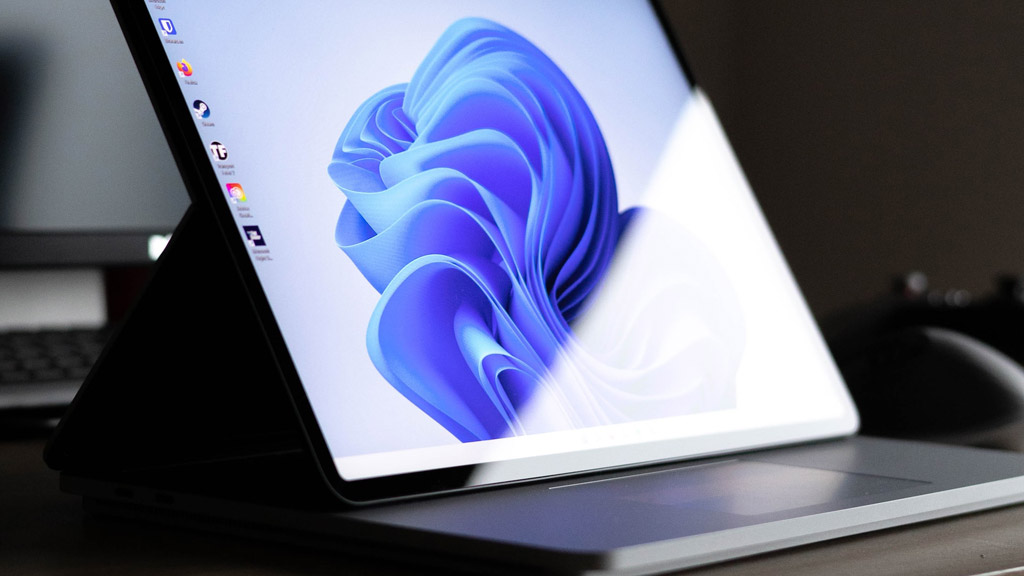
Software Licensing: From One-Time Purchases To Subscriptions.
Microsoft 365 is a subscription service that lets users get the most recent version of Windows 7 without needing to buy a DVD. It’s a huge change in the world of digital. This change doesn’t just include a brand new payment method but also a radical change in the relationship of user to software. This has a cascading effect on productivity and security and the total cost. The old paradigm–exemplified by a one-time `office lizenz kaufen` or an `windows 11 oem` key tied to hardware–valued static ownership and predictable, upfront capital expenditure. The subscriptions for Windows (via Microsoft 365) as well as kaspersky Premium and norton360 trade that permanence for cloud integration, continuous updates as well as a shift toward operational expenses. Understanding the evolution of this model is crucial to navigating modern licensing to avoid the dangers of gray-market keys (`windows 11 lizenz buy) and making smart decisions that match the way that software operates in the present.
1. The Security Imperative is what drove the Change.
The one-time, static model crumbled under the pressure of modern cybersecurity threats. As security threats get more sophisticated the perpetual license of 2019, or an older windows 7, becomes vulnerable. Subscription models are aligned with users’ security. Microsoft will continue to update Defender as well as Office 365 to justify your monthly charge; Norton and Kaspersky must include new security options to keep your. The previous model led to problems when support ended (like Windows 7), while subscriptions provide a continuously maintained security boundary.
2. Ecosystem lock-in: From product to platform.
A one-time purchase was made for a product. A subscription is an option for a platform. Windows 11 home keys work similarly to an OS. Microsoft 365 Business gives you Windows 11 and Office (with upgrade rights), OneDrive, Teams SharePoint, Intune, and Intune for device management. Interoperability is the most important feature. This ensures a secure lock-in, as well as a huge convenience and capabilities that separate perpetual licenses, such as “Office license”, “Windows 11 lizenz” or separate backups are unable to attain. The licensing no longer based on the device but rather the user.
3. Existential Crisis for the Grey Market
The subscription-based model is fundamentally antagonistic to the black market that thrives by windows11buy scams. The subscription key, which is not static strings of characters but an account credential it’s the same. It’s linked to an identity, and billing and it expires. It’s nearly impossible to sell illegally, as OEM or Volume License keys are. The growing popularity of subscriptions gradually kills the market for key resellers by pushing customers into legitimate channels and leaving behind old, unsafe versions.
4. Business Accounting Revolution: Predictable OpEx vs. Lump Sum CapEx
This allows businesses to shift software from a large capital expense (CapEx, which is an outlay large and not often used, but is depreciated over years) instead of a operating expense that is recurring. Smaller businesses will gain from better cash flow. However, it can also change the budgeting. It is necessary to include the cost of the cals you pay to get your “windows 2025” server and the fees per user for productivity and security software. Subscriptions typically cost more than the one-time price but they also offer constant innovation and support that the old model did not provide.
5. The “Hybrid Model” and its conflations Windows 11’s Dual Nature.
Windows 11 is the first operating system to span both periods. It is still possible to purchase a windows11 oem license. Microsoft 365 Business/Enterprise subscriptions (the modern model) offer this benefit. This hybrid state causes confusion. Windows’ “subscription” is not the OS itself, as it was previously considered to be. It’s the ability to continue using the latest version of the OS with the cloud management service. It creates two distinct categories of users, those who “own” a static snapshot service (Windows 11 24-H2) and those that “leasethe perpetually updated system.
6. Third-Party Safety Suites were the first to be developed.
Norton (norton360) and Kaspersky Premium (kaspersky premium) were among the first companies to implement a subscription model for their consumer-oriented software. Their business was based on updated threats definitions. They seamlessly moved from selling a 3 year license to a monthly subscription with auto-renewal, and bundling other services like VPNs or password management. This improved the monthly value proposition and reduced the chance of churn. They were the first company to adopt a new approach which would affect the entire business.
7. The server-side Parallel: CALs from the initial “User Subscription”
Client Access Licenses for Windows Server 2025 (cals), is the predecessor to the current subscription. While you only purchase the server software once, the `cals` represent an ongoing right to access. They’re a kind of “subscription” for the server software, which is purchased traditionally in large quantities. Azure’s modern cloud model is a true operational model since it charges for storage, compute and access for users per second or per month. This is the final step in the transition from perpetual licenses + CALs into pure consumption-based pricing.
8. The Data Sovereignty Challenge: Loss of Permanentity
The downside of subscriptions is they’re not long-lasting. If you decide to cancel your payment for your “office license” subscription, in the end you lose access both to the applications as well as your personal data (if they are stored in the cloud ecosystem, such as OneDrive). A perpetual Office 2021 license keeps functioning forever, albeit frozen in time. This gives power to the vendor, and it results in a data lock-in. The savvy user must have an explicit data extraction and migration plan as part of their subscription strategy. an unnecessary feature when using a boxed copy Office 2010.
9. Fragmentation and the Bundling counter-trend
As a way to combat subscription fatigue, we’re seeing various trends. “Lifetime licenses” for niche software are marketing tools capitalizing on the weariness of subscriptions. In addition, the bundle of subscriptions, such as a norton 360` + Office deal–is a way to bring value and simplify in a crowded subscription market. As we’ve previously mentioned, these bundles usually combine a Norton 360 subscription along with an Office perpetual license. This creates a mismatched combination that reveals the industry’s complicated and confusing state of transition.
10. Strategic Licensing: The Integrated Stack in the Subscription Age
At the end of the day, it means not having distinct subscriptions, but instead choosing the integrated stack. Microsoft 365 Enterprise subscriptions (including Windows, Office, Email and Collaboration) together with Azure AD &Intune (for managing devices and identity management replacing certain windows 2025 features and cals functions) along with a specific security layer provided by an outside company (such as kaspersky premium to support advanced threat hunting) is likely to be the best choice for modern-day businesses. The aim is to eliminate vendors, consolidate the management, and transform software into an integrated, flowing utility like electricity that can power a business constantly and reliably. Take a look at the best office lizenz for blog info including ms project, windows server 2016 os, product keys, ms visio, ms visio, microsoft office download, microsoft office 2016, office key, ms office 2016, microsoft office software key and more.
